
Destination
The City, the River, the Mountain
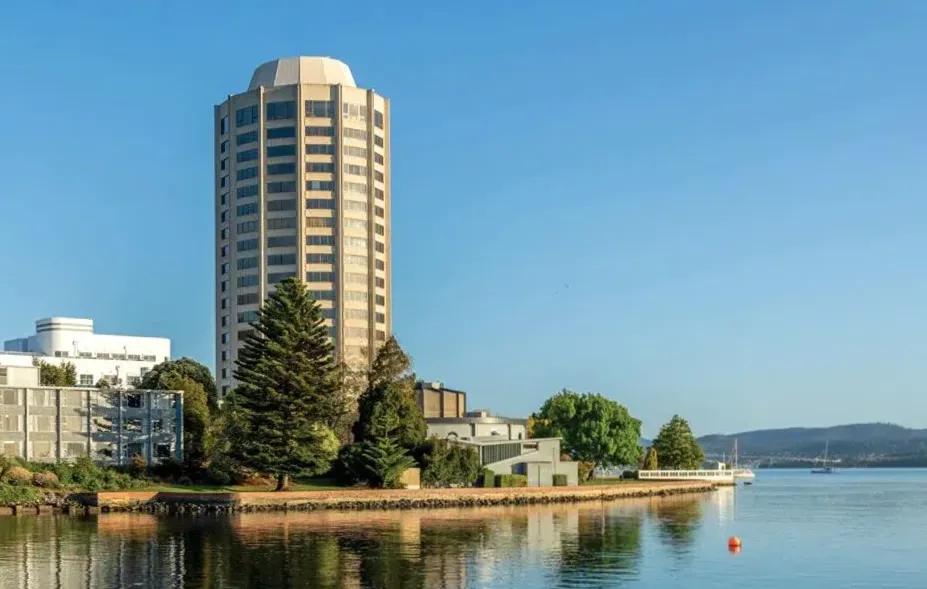
Hobart is a small city with a long waterfront, a working harbour and a mountain that seems to float above the urban grid. The city centre is compact, the suburbs are walkable, and the surrounding landscapes are close enough to make day trips a normal part of any stay.
Hobart Waterfront
The waterfront is the city's spine. Constitution Dock, the boardwalk and the marinas form a continuous route from Salamanca toward the city centre. It is a working harbour as well as a place to walk, and the presence of fishing boats, yachts and ferries gives it a practical energy.
Salamanca & Salamanca Market
Salamanca is best known for its Georgian sandstone warehouses, many now housing galleries, cafés and restaurants. Salamanca Market, held on Saturdays, is one of Tasmania's best-known markets. It draws locals and visitors for produce, crafts, food and music. It is a useful reference point for visitors planning a weekend in the city.
Battery Point
Just back from the water, Battery Point is a residential suburb of narrow lanes, 19th-century cottages and small cafés. It rewards walking. The houses and gardens are intact enough to feel like a village, while still being a short stroll from the harbour.
MONA
The Museum of Old and New Art is located across the river, at Berriedale. It can be reached by the MONA ferry from the waterfront or by road. The collection is contemporary and often provocative, and the architecture of the museum is an experience in itself.
Tasmanian Museum and Art Gallery
In the city centre, the Tasmanian Museum and Art Gallery holds local history, natural science and Tasmanian art. It is a useful introduction to the island's layered past.
Royal Tasmanian Botanical Gardens
The gardens sit on the Queen Domain, a short distance from the city. They include native Tasmanian species, a Japanese garden and broader botanical collections. The setting is a calm green space with views back toward the river.
kunanyi / Mount Wellington
The mountain is a constant presence behind Hobart. The summit road offers views across the city and the south-west wilderness, while the lower slopes contain walking tracks through changing vegetation. Tasmanian Aboriginal name kunanyi is now used alongside the colonial name.
Beyond Hobart
Hobart is also a base for exploring southern and eastern Tasmania. Each of these destinations requires its own planning and, in some cases, a full day.
- Huon Valley — apple orchards, small towns and the southern forests. A scenic drive south of Hobart.
- Bruny Island — reached by ferry from Kettering. Known for cheese, oysters, lighthouses and coastal walks.
- Tasman Peninsula — home to the Port Arthur Historic Site and coastal rock formations. Best visited as a full day.
- East Coast — longer drives reach Freycinet and the Bay of Fires. These are multi-day excursions for most travellers.
- Southern Tasmania — the Huon Valley, Channel Highway and D'Entrecasteaux Channel offer a slower pace and working waterways.
Distances and driving times should be confirmed before any trip. Tasmanian roads can be narrow and weather can change quickly, especially in the shoulder seasons.